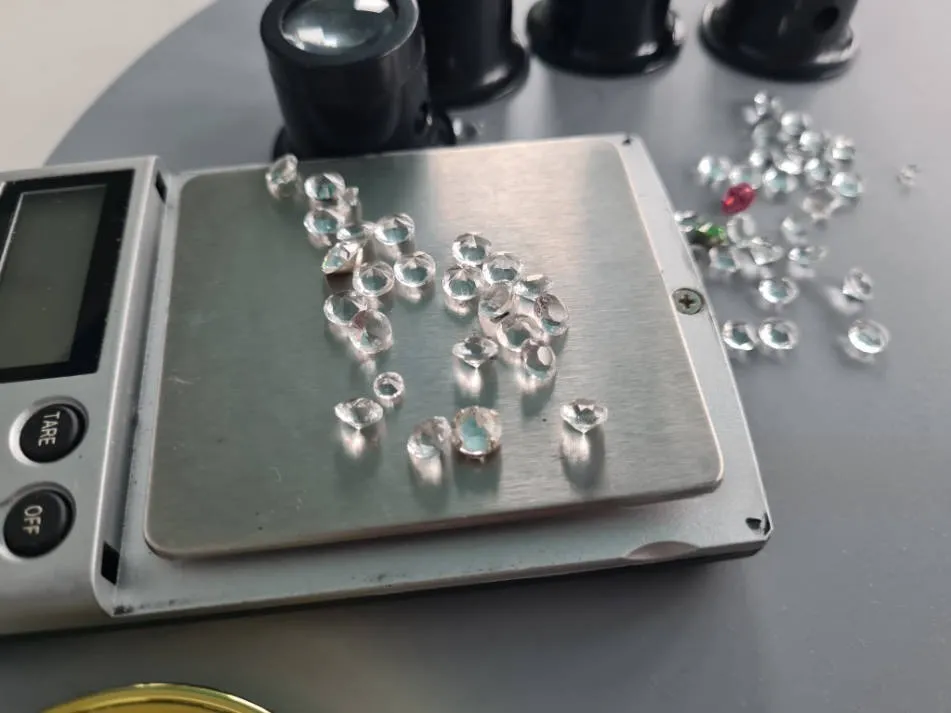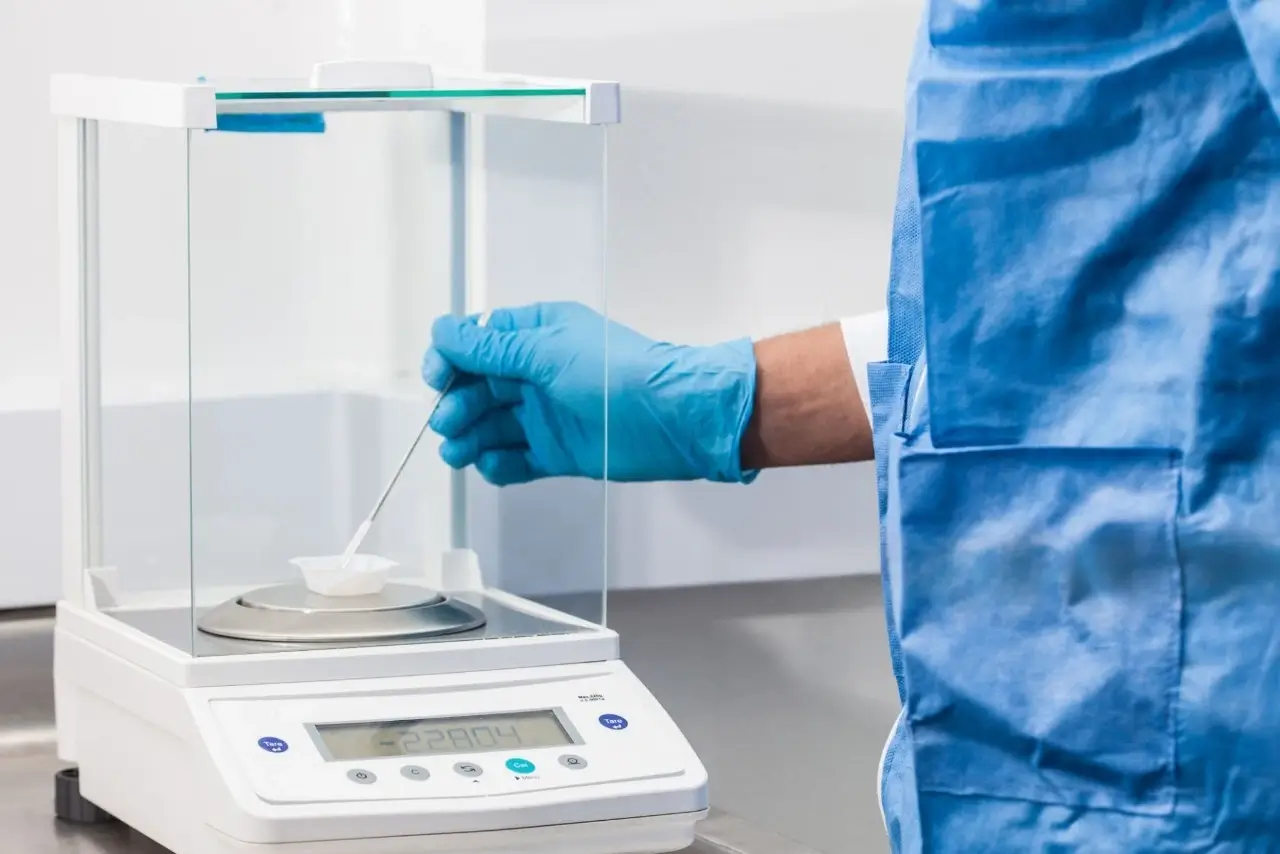
In research, jewelry, and industrial QC, minor weighing errors cause major financial and compliance disasters. Unreliable equipment creates bottlenecks and data drift, wasting both time and budget. This guide cuts through the jargon to help you identify the exact high-precision balance your workflow requires.
I. Core Technical Parameters: The “Hard Specifications”
Forget about brand names and sleek designs for a minute. A scale’s true performance comes down to a few key specs.
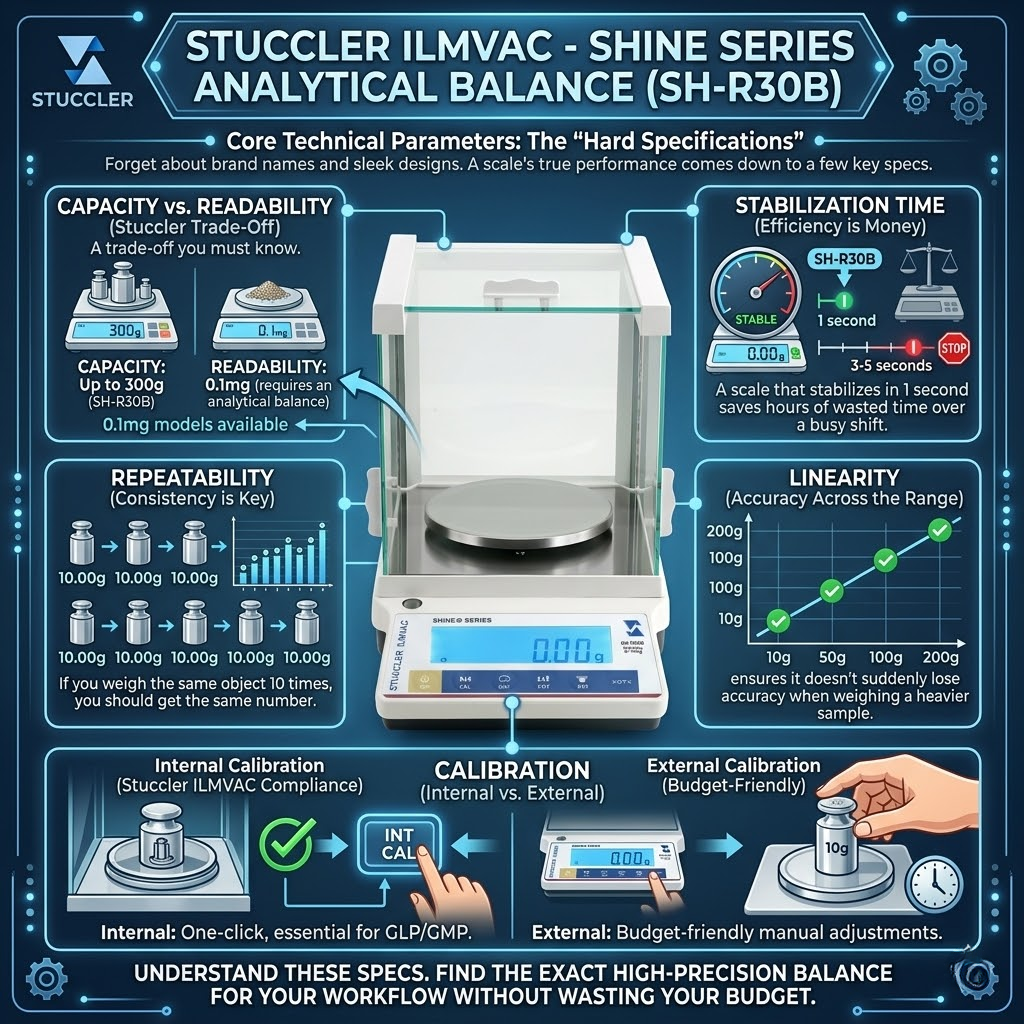
- Capacity vs. Readability: Capacity is how much the scale can hold; readability is the smallest weight increment it can display. You usually have to trade one for the other. If you need to track chemical changes down to 0.1mg, you need an analytical balance, not a heavy-duty top loader.
- Repeatability and Linearity: Accuracy isn’t a one-time event.
- Repeatability: If you weigh the same object 10 times, do you get the same number? High repeatability means your daily process stays consistent.
- Linearity: This tests accuracy across the whole range. If your scale is spot-on at 10g, linearity ensures it doesn’t suddenly lose accuracy when weighing a heavier 100g sample.
- Stabilization Time: In busy environments, waiting 3 to 5 seconds for a reading adds up fast. A scale that stabilizes in 1 second saves hours of wasted time over a busy shift.
- Calibration (Internal vs. External): Scales drift over time due to temperature shifts and gravity.
- Internal Calibration: Offers one-click, built-in weight adjustments. It’s a huge time-saver and essentially required for strict GLP/GMP compliance.
- External Calibration: You manually place certified test weights on the pan. It takes more work, but it’s a budget-friendly way to maintain accuracy.
II. Sensor Technology Comparison
What’s inside the scale matters most. Here’s a quick look at the two main weighing technologies on the market:
| Features | Strain Gauge Load Cell | Electromagnetic Force Restoration |
| Accuracy Level | Medium (Typically 0.1g – 0.01g) | Extremely High (0.001g to 0.01mg) |
| Stabilization Speed | Very Fast | Fast, but sensitive to environmental drafts |
| Cost | Budget-friendly, low initial investment | Higher upfront cost, but unmatched for precision |
| Best For | Top-loading bulk goods, basic industrial QC | Fine chemicals, pharmacy compounding, jewelry |
III. Application-Oriented Purchasing Guide
There is no “one-size-fits-all” precision balance. Here are our top recommendations based on actual workspace needs, featuring our specialized Stuccler lineup.
1. High-Precision Laboratory Analysis
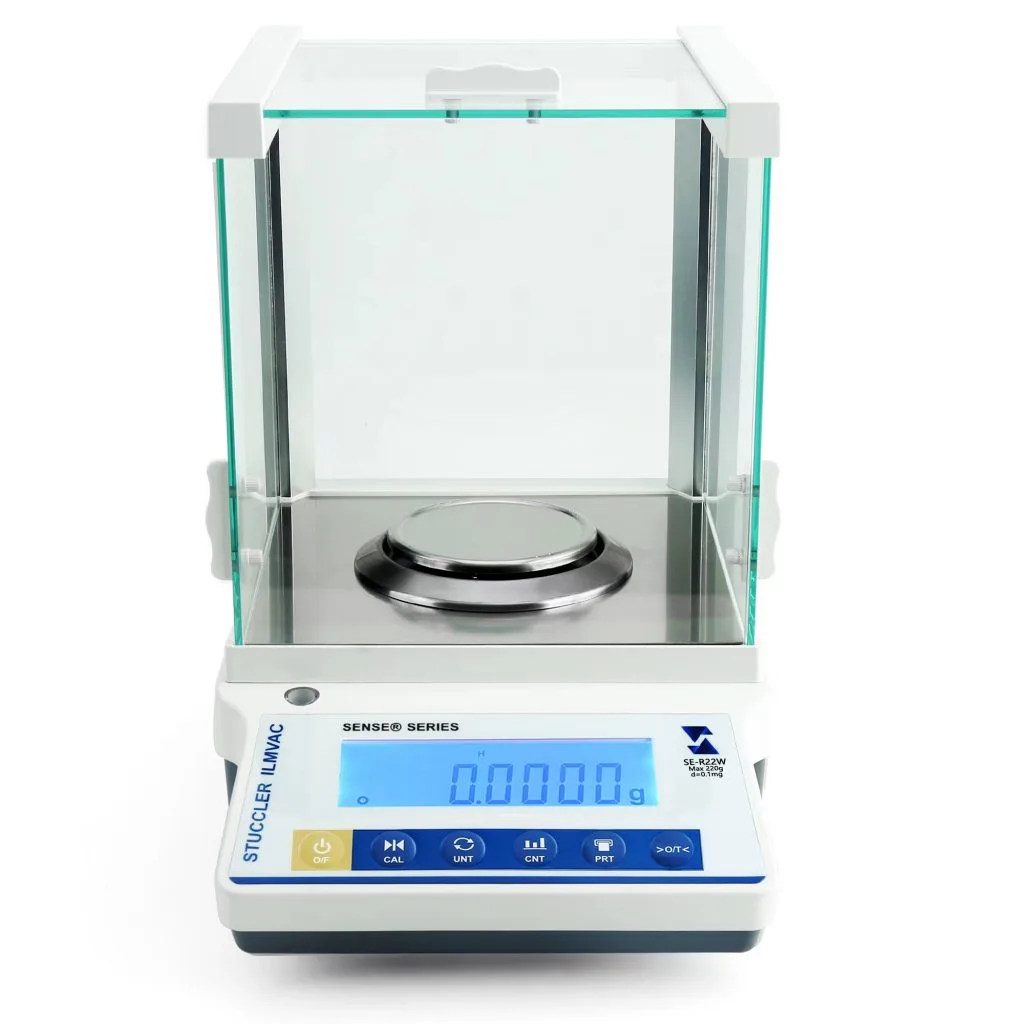
- Needs: Lab techs need sub-milligram (0.1mg) accuracy and strict data compliance. The scale must be isolated from room drafts and HVAC airflow.
- Recommended Pick: Stuccler Analytical Balance (0.1mg)
- Why it works: Built for rigorous chemical lab work, it includes a robust glass draft shield to protect the weighing chamber. The 0.1mg readability guarantees absolute certainty for sensitive reactions and formulations.
- Jewelry & Precious Metals
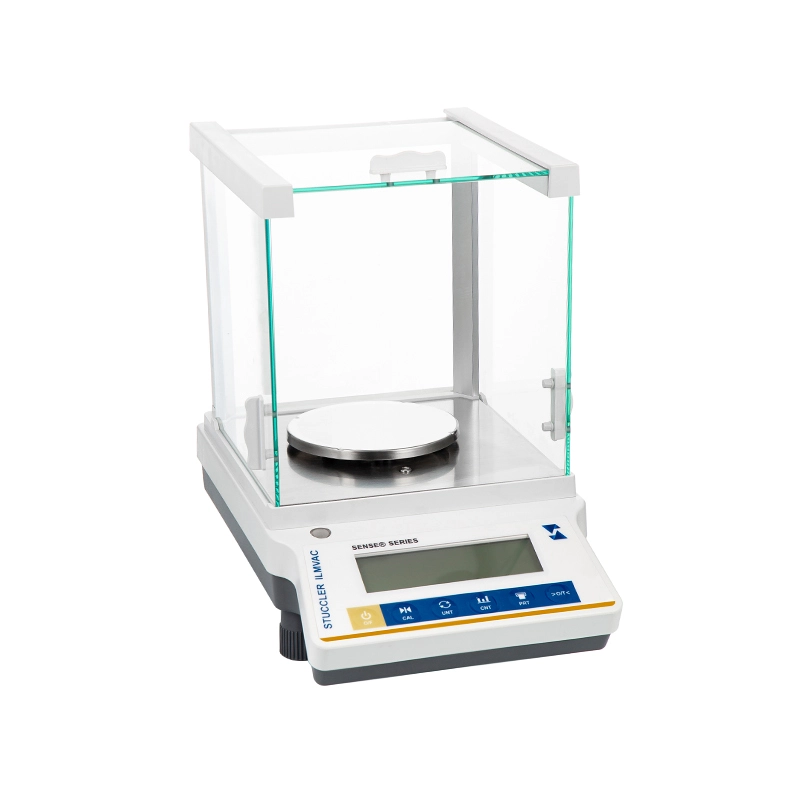
- Needs: When a fraction of a carat equals hundreds of dollars, repeatability is everything. Jewelers also need quick unit switching (grams, carats, pennyweights).
- Recommended Pick: Stuccler SENSE-JD@ Jewelry Balance
- Why it works: Tuned specifically for the jewelry trade, these scales read down to 0.001ct. They deliver the undeniable accuracy needed to value diamonds and metals confidently on the spot.
3. Industrial Quality Control & Heavy-Duty
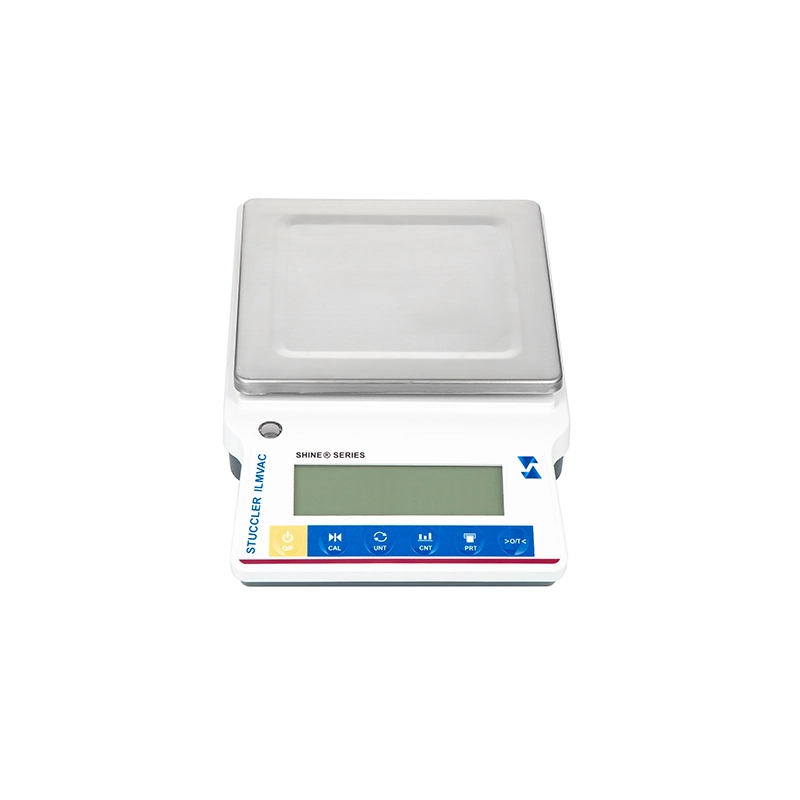
- Needs: Factories are dusty, vibrating, and tough on gear. QC stations need a scale that handles heavy items and rough, gloved hands.
- Recommended Pick: Stuccler Top Loading Balance (2000g~20000g capacity)
- Why it works: We ditched the fragile draft shield for an oversized, stainless steel pan. It powers through heavy 20kg batches with 0.1g or 0.01g readability without breaking a sweat under heavy use.
- Cosmetics & Skincare Formulation
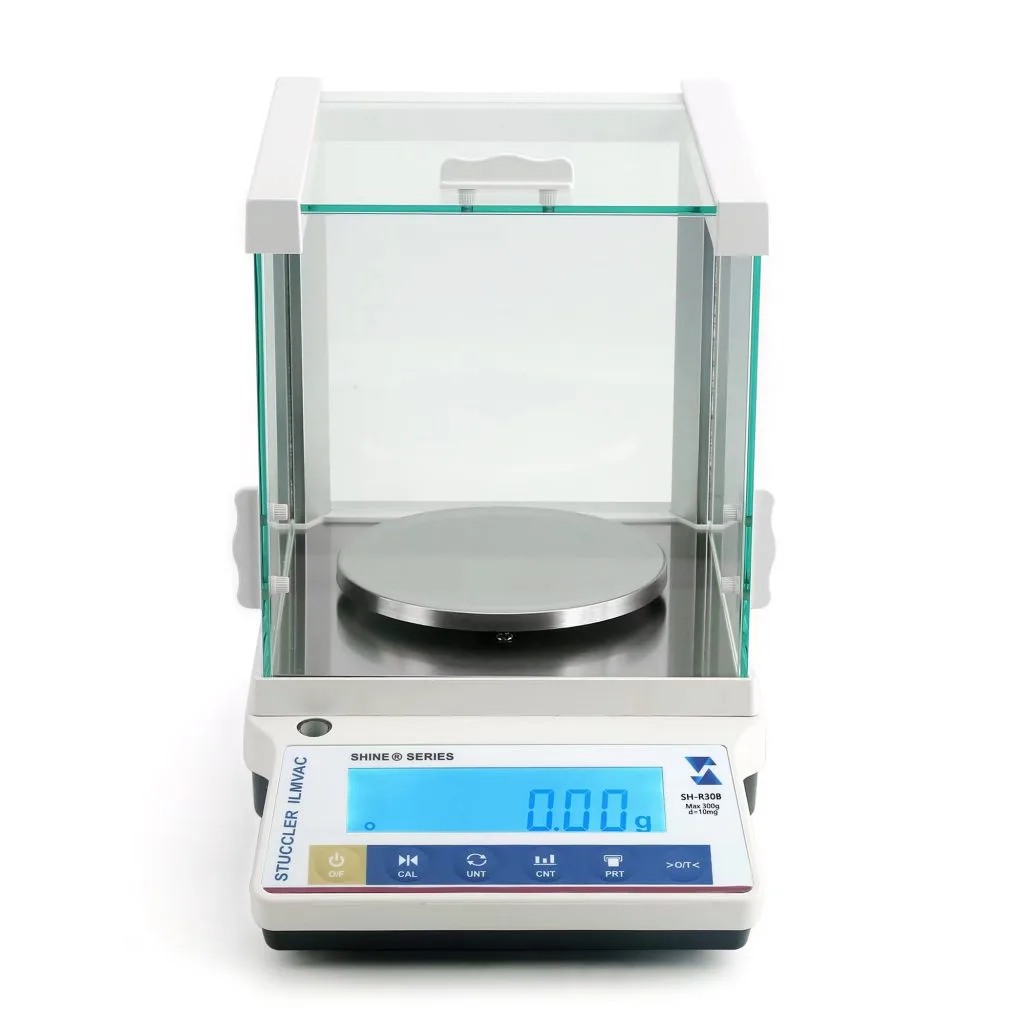
- Needs: Formulators micro-dose active ingredients and oils. They need fast settling times to avoid over-pouring and a design that’s incredibly easy to clean to prevent cross-contamination.
- Recommended Pick: Stuccler High Precision Balance (1mg, 220g~620g)
- Why it works: The 1mg accuracy handles recipe formulation perfectly. The responsive sensor stops “oil overflow” when adding drops, and the open pan design makes wiping up spilled creams a breeze between batches.
- Educational & Academic Institutes

- Needs: School labs are tough on gear. Equipment needs to survive accidental overloading, chemical spills, and inexperienced students—all on a tight budget.
- Recommended Pick: Stuccler Precision Balance (0.1g~0.01g, 300g~1500g)
- Why it works: The ultimate academic workhorse. It delivers the baseline accuracy required for chemistry classes, but more importantly, it features built-in overload protection to survive heavy objects being dropped on the pan.
IV. Environmental Factors and Usability
Great hardware doesn’t matter if the operating setup is clunky or the room throws off the sensor.
- Data Connectivity: Stop writing things down by hand—it’s where recording errors happen. Grab a balance with RS232 or USB to send data straight to your PC, LIMS, or ticket printer.
- Drafts and Static: Airflow and operator static will make your readings jump around. Using a glass draft shield alongside an anti-static ionizer neutralizes these invisible forces so your reading locks in instantly.
- User Interface: Nobody wants to read a 50-page manual. Intuitive buttons and high-contrast LCDs mean new employees can tare, switch units, and calibrate with minimal training.
V. Maintenance: Protecting Your Investment
Breakdowns and downtime are the real hidden costs of precision instruments. Keep your gear running with basic maintenance.
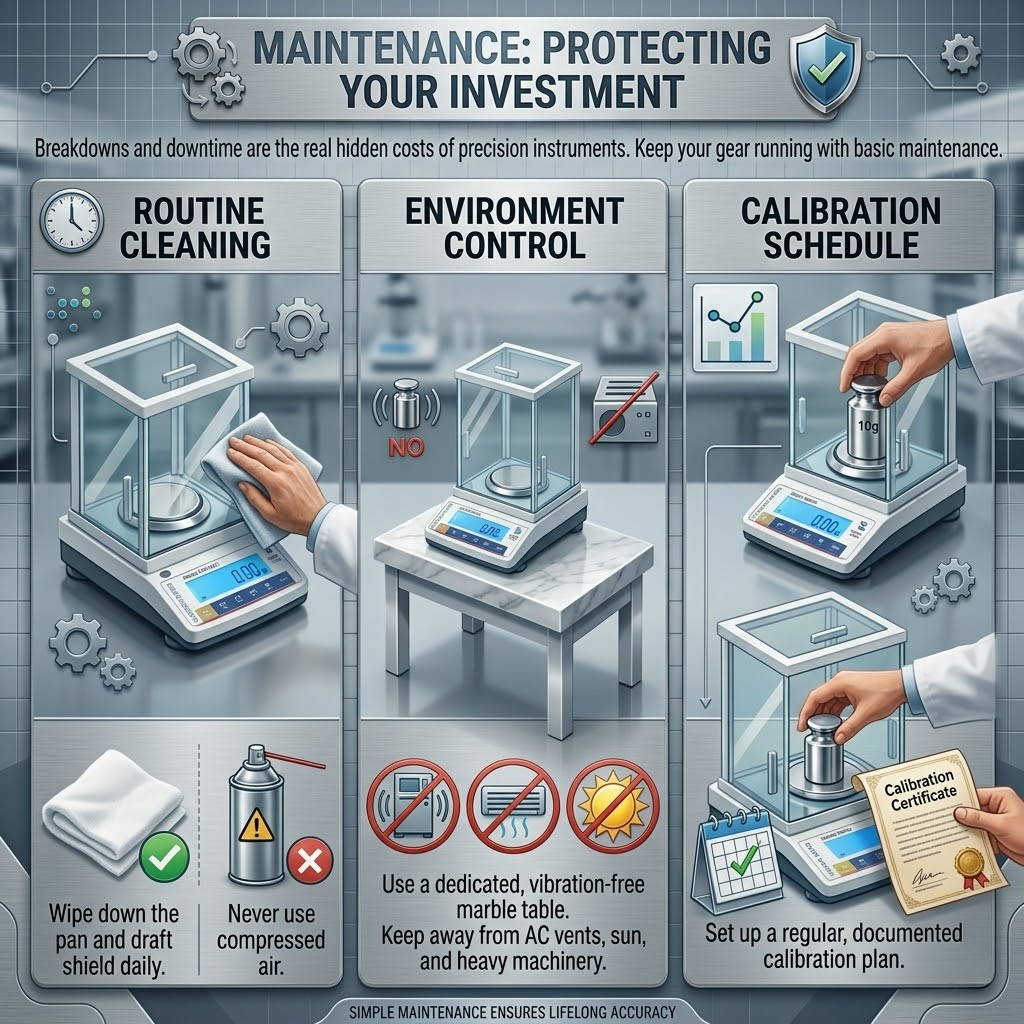
- Routine Cleaning: Powder spills happen, but leaving them is a mistake. Wipe down the pan and draft shield daily. Never use compressed air in the chamber—it just blows debris right into the delicate internal sensor.
- Environment Control: Where you put the scale matters. Use a dedicated, vibration-free marble table. Keep it away from AC vents, direct sun, and heavy machinery to maintain thermal stability.
- Calibration Schedule: Scales don’t stay perfectly accurate forever. Set up a regular, documented calibration plan, and bring in a certified tech annually for critical ISO/GMP compliance.
Conclusion
Buying the right precision balance is an investment in your daily efficiency and data integrity. Matching the correct sensor and capacity to your specific workflow eliminates bottlenecks and keeps you compliant.
Whether you’re outfitting a factory QC line or upgrading a chemistry lab, the right tool makes the job easier. Browse our Stuccler online store to explore our professional-grade balances, or reach out to our technical team for help with custom setups and bulk orders.