








Are your laboratory scales suitable for food manufacturing and processing audits?
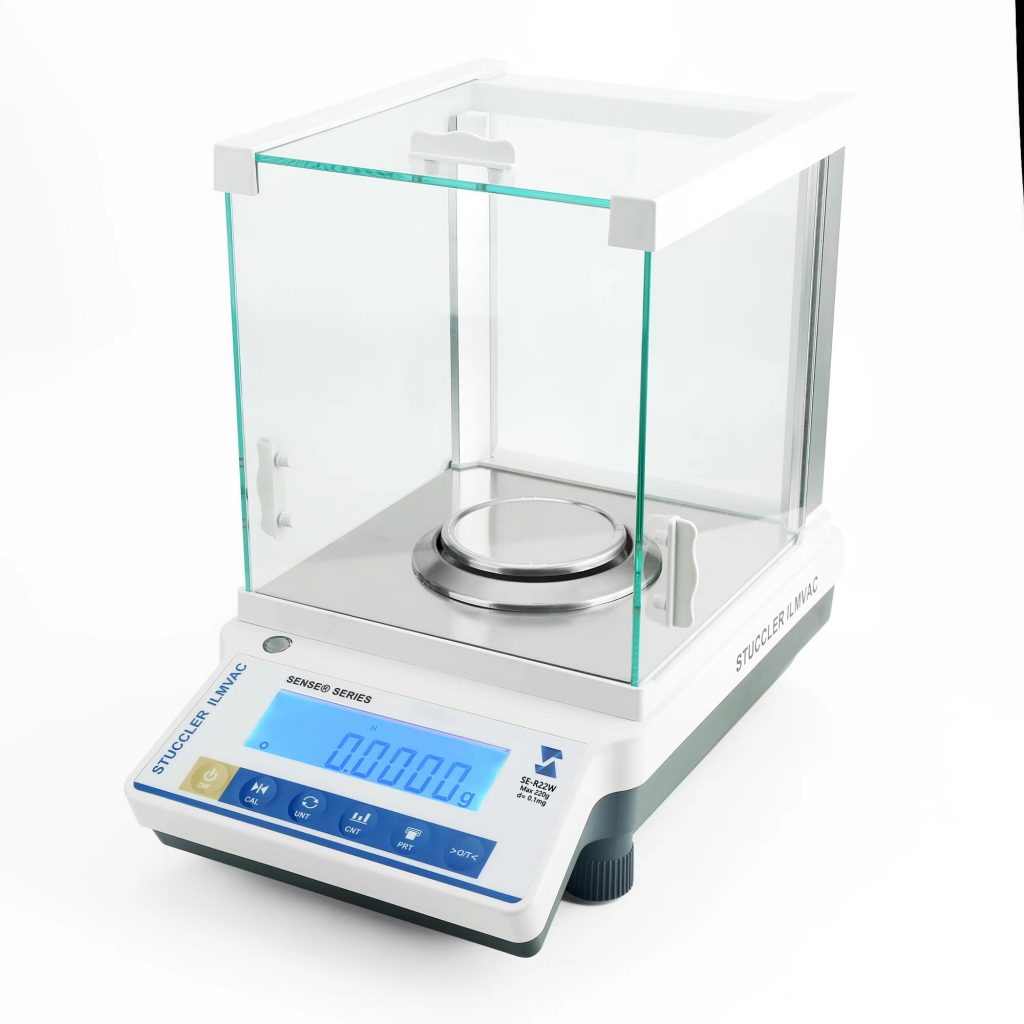
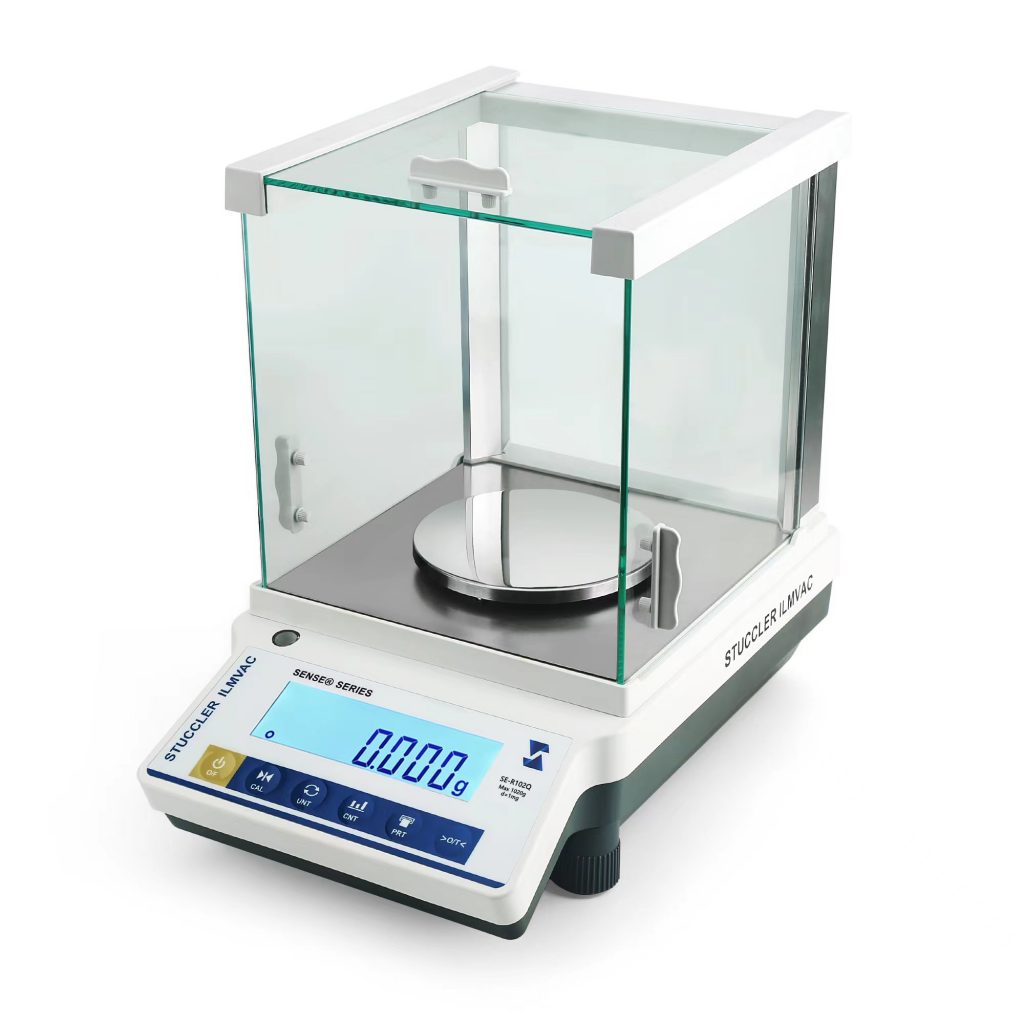
Yes. Our laboratory scales provide the strict 0.1mg – 1mg precision required for food safety and QA audits. The robust EMFC housing is engineered to withstand continuous daily use in busy commercial food manufacturing environments.
Do you provide laboratory weighing automation solutions?
Yes. As a laboratory weighing automation manufacturer china, our balances feature standard RS232 data interfaces. This allows your engineering team to easily output real-time weight data into LIMS, PCs, or customized automated production lines.
What is the benefit of an EMFC sensor over standard digital balances?
Electromagnetic Force Compensation (EMFC) is the gold standard for any high-quality digital laboratory balance. Unlike cheap strain-gauge scales that drift over time, EMFC sensors offer rapid stabilization, higher repeatability, and an incomparably longer operational lifespan.
Are you a direct analytical balance manufacturer or a trading company?
Stuccler is a verified, ISO 9001-certified analytical balance manufacturer and supplier based in China. We offer direct factory pricing, reliable bulk supply chains, and technical engineering support that trading companies cannot provide.
Can I get customized branding or private label options for our distribution business?
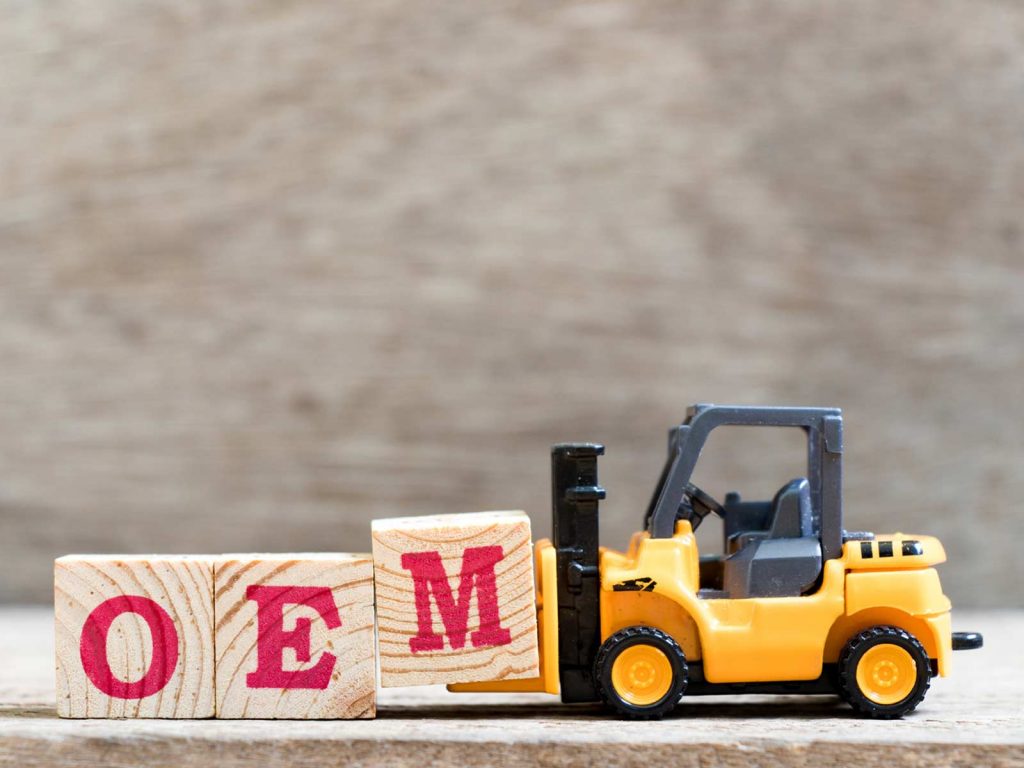
Yes, absolutely. As established precision balance suppliers, we provide comprehensive OEM services for global distributors and laboratory outfitters. We can customize logos, interfaces, and packaging based on your market requirements.
How do you maintain and calibrate these electronic lab scales for optimal accuracy?
Our SENSE-IND@ series features Fully Automatic Internal Calibration (Internal CAL) which automatically corrects daily environmental drift. For maintenance, simply place the electronic lab scale on a stable surface, allow a brief warm-up, and avoid overloading.
Food manufacturing floors have severe vibrations. How does your lab balance maintain stability?
Our SENSE-IND@ series features an adjustable wave filter intensity function specifically built for high-vibration industrial environments. It filters out surrounding machine noise and floor vibrations, delivering stable and accurate readings without slowing down your production line.
Do your laboratory balances automatically correct data drift caused by factory temperature changes?
Yes. Unlike standard balances that require manual weights, our balances feature Fully Automatic Internal Calibration (Internal CAL). The system detects temperature variations on your manufacturing floor and calibrates itself automatically, ensuring continuous precision and successful compliance audits.