


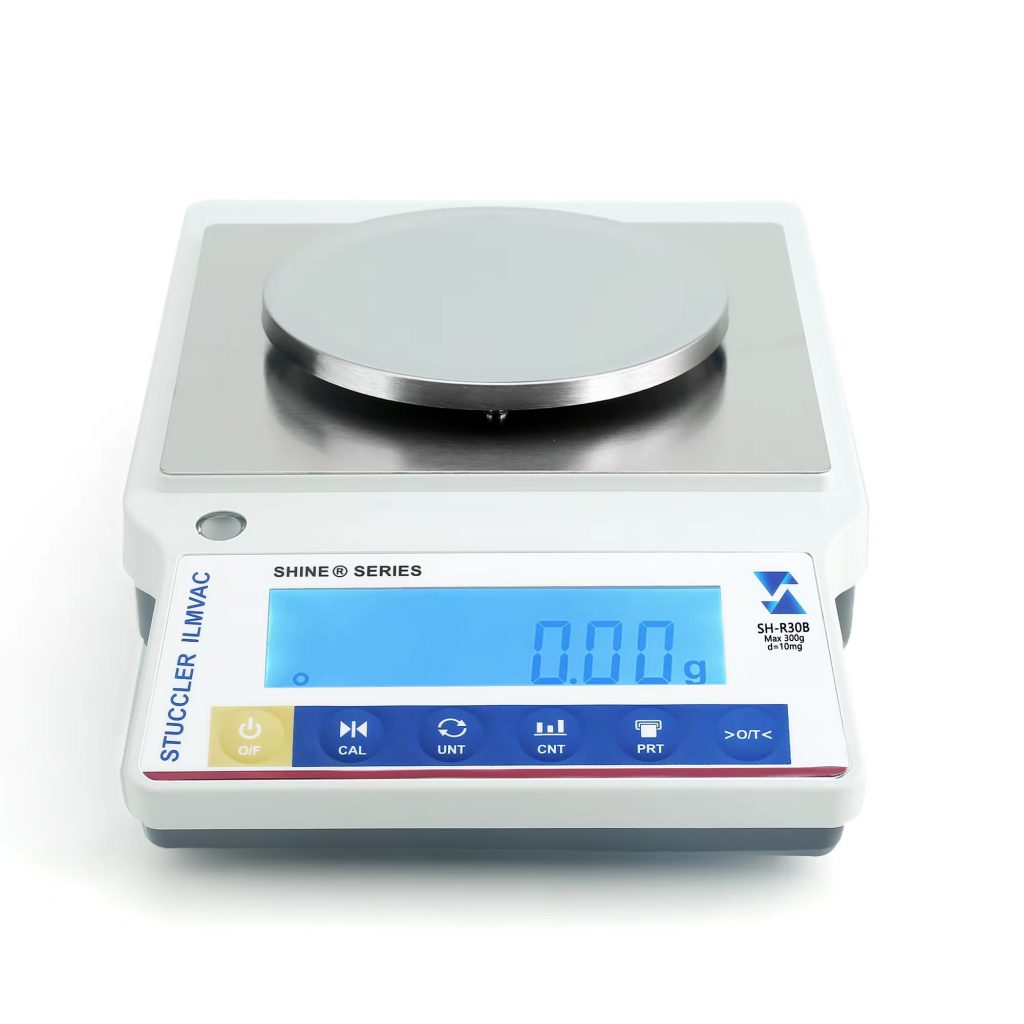
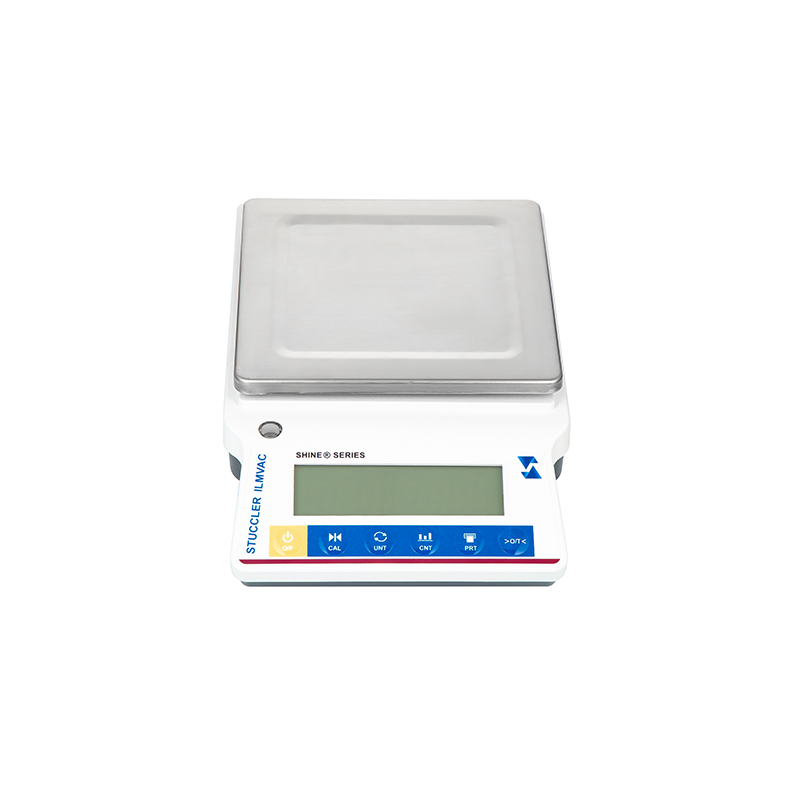




What is a top loading balance?
A top loading balance, also known as a precision balance, is an electronic weighing instrument without a full draft shield. It allows samples to be placed directly onto the weighing pan, offering higher weight capacities and faster stabilization times for daily workflows.
What are the primary top loading balance uses in laboratory environments?
Core top loading balance uses in laboratory settings include high-volume sample preparation, solid reagent formulation, raw material batching, and routine quality control tests where a readability of 1mg to 10mg is perfectly adequate.
What is an electronic top loading balance?
It is a digital weighing instrument equipped with advanced strain gauge sensors. Modern electronic models from Stuccler feature fully automatic internal calibration, digital anti-vibration filtering, and rapid stabilization to deliver high-capacity precision without environmental drift.
What is the purpose of using a top loading balance?
The primary purpose is to efficiently weigh larger, bulky samples that exceed the weight limits of sensitive analytical scales. They provide an optimal balance between heavy-duty capacity (up to 20,000g) and reliable operational speed.
What is the typical accuracy of a top loading balance?
Precision top loading scales typically offer a dual-range readability of either 10mg (0.01g) or 1mg (0.001g). Backed by adjustable wave filter functions, they ensure consistent repeatability even on unstable production lines or busy lab benches.
What is the difference between an analytical balance and a top loading balance?
When comparing a top loading vs analytical balance, the differences lie in precision and design. Analytical balances offer ultra-fine readability (0.1mg or finer) and require a glass draft shield for tiny samples. Top loading balances provide much higher capacities (up to 20kg) and faster speeds without needing a draft shield.