






What is the difference between an analytical balance and a precision balance?
Analytical balances deliver finer readability at 0.1mg (0.0001g) and are highly sensitive to microscopic changes. Precision balances (such as our 0.1g and 0.01g series) typically offer higher total weight capacities and faster stabilization times, providing a more rugged and economical solution for daily laboratory and industrial dosing.
How do you use a precision balance?
Place the balance on a flat, vibration-free surface. Power on the device, allow it to warm up, and press the tare button to zero the container. Carefully place your sample on the pan and record the reading once the stability indicator locks.
How do I know if my balance is accurate?
Routine check weighing with a certified standard calibration weight is the best way to verify accuracy. If the displayed readout consistently matches the known mass of your test weight, your precision balance is accurate.
Why do we calibrate a balance?
Regular calibration ensures ongoing data accuracy and reduces the risk of costly weighing mistakes in production. It acts as a vital quality investment that builds customer confidence and avoids unscheduled production downtime.
What is the precision of this electronic balance?
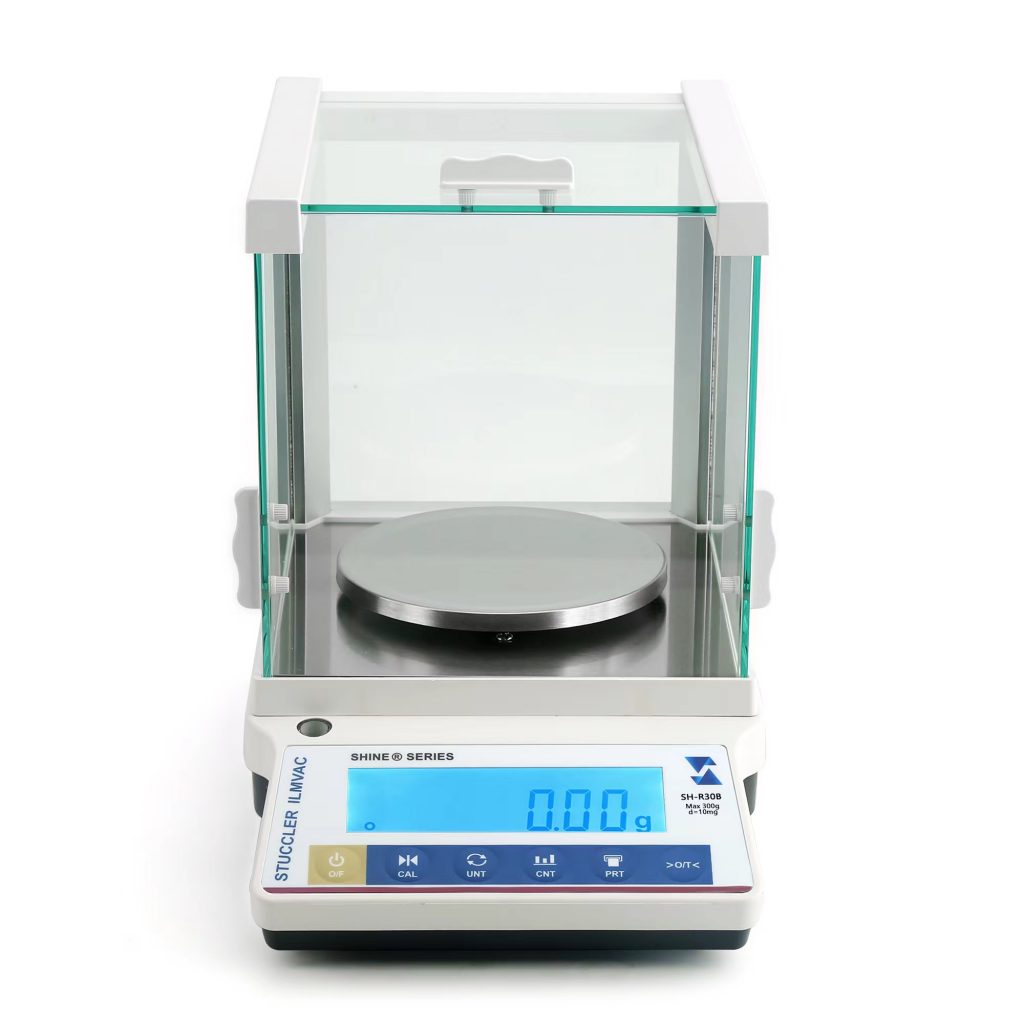
Stuccler precision balances in this category offer reliable readabilities of 0.1g and 0.01g. Selected models under 1500g capacity feature an integrated protective draft shield to minimize ambient air interference during sensitive workflows.
What is a precision scale?
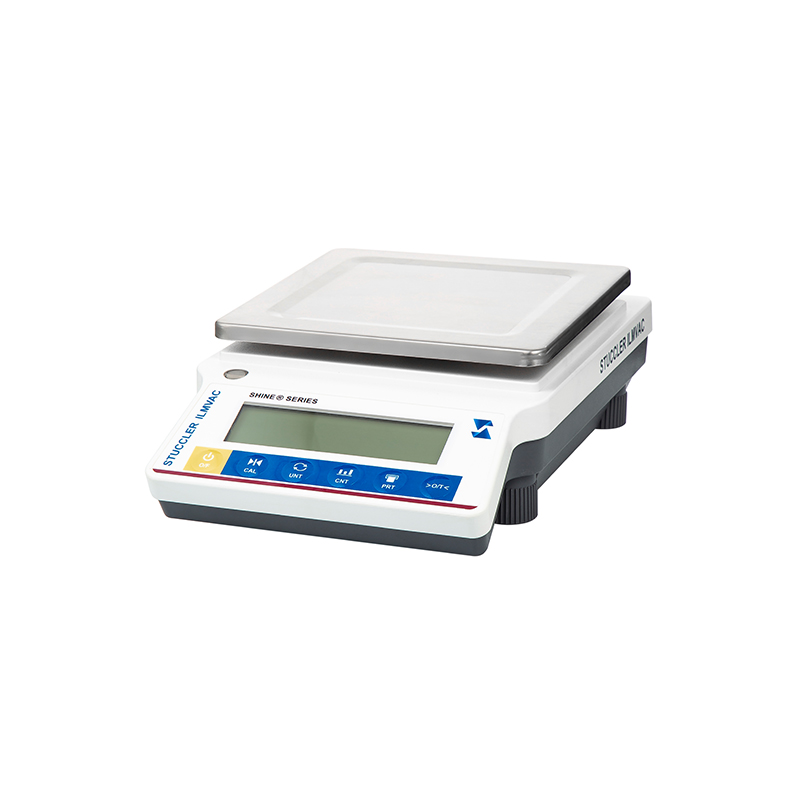
A precision scale is an electronic weighing instrument that provides a high resolution of 0.1g or 0.01g (10mg). Unlike standard retail scales, it utilizes professional-grade strain gauge sensors to detect subtle changes in mass.
How do you calibrate a precision balance?
Switch on the scale and let it stabilize. Press the “Calibrate” button or enter calibration mode via the key panel. Place the required standard external check weight onto the center of the weighing pan, wait for the balance to save the data, and remove the weight once the calibration complete prompt appears.
Can you move a calibrated balance?
Moving a balance is not recommended once it has been calibrated. Physical relocation can expose the load cells to slight variations in local gravity or surface levelness, which can skew readouts. If you must move the device, always run an external calibration check in its new location before operation.