

In high-precision research, even minute weighing errors can jeopardize entire production batches. In 2026, choosing the right equipment—centered on Capacity and Readability—is essential for securing both accuracy and ROI. This guide helps you navigate the latest advancements to find your ideal laboratory balance.
I. Buying Guide: Key Factors to Consider Before Choosing a Balance
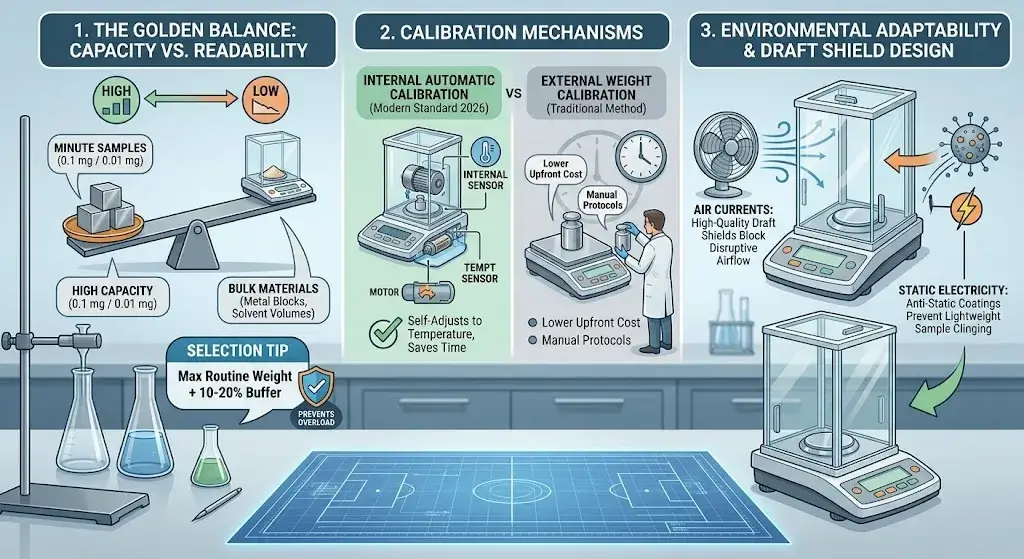
1. The Golden Balance: Capacity vs. Readability
This relationship is a classic “seesaw”—as one increases, the other typically decreases. Finding the perfect equilibrium depends on your specific workflow:
- For Minute Samples: Prioritize small-capacity analytical balances. Look for extremely high precision ranges of 0.1 mg or 0.01 mg.
- For Bulk Materials: When weighing solid metal blocks or large solvent volumes, a high-capacity precision balance is vital.
- Selection Tip: Look at your maximum routine sample weight and add a 10% to 20% buffer. This prevents sensor overload and protects your investment long-term.
2. Calibration Mechanisms
Calibration is the only way to ensure your readings remain a source of truth.
- Internal Automatic Calibration: The modern standard for 2026. These systems automatically adjust to temperature fluctuations, drastically reducing environmental errors and saving valuable time.
- External Weight Calibration: The traditional method. While it offers a noticeably lower upfront cost for teams on a budget, it requires strict manual protocols and physical calibration weights.
3. Environmental Adaptability & Draft Shield Design
High-precision balances (especially micro-balances) are incredibly sensitive to their surroundings:
- Air Currents: Even a slight draft can ruin a measurement. High-quality draft shields are non-negotiable for blocking disruptive airflow.
- Static Electricity: A major “hidden enemy” in the lab. Modern shields often feature specialized anti-static coatings to prevent lightweight samples from clinging to the glass walls, ensuring every milligram ends up in the pan.
II. Recommended List of the Best Laboratory Balances for 2026
Category A: Best Ultra-High-Precision Analytical Balances
These are the kings of micro-precision.
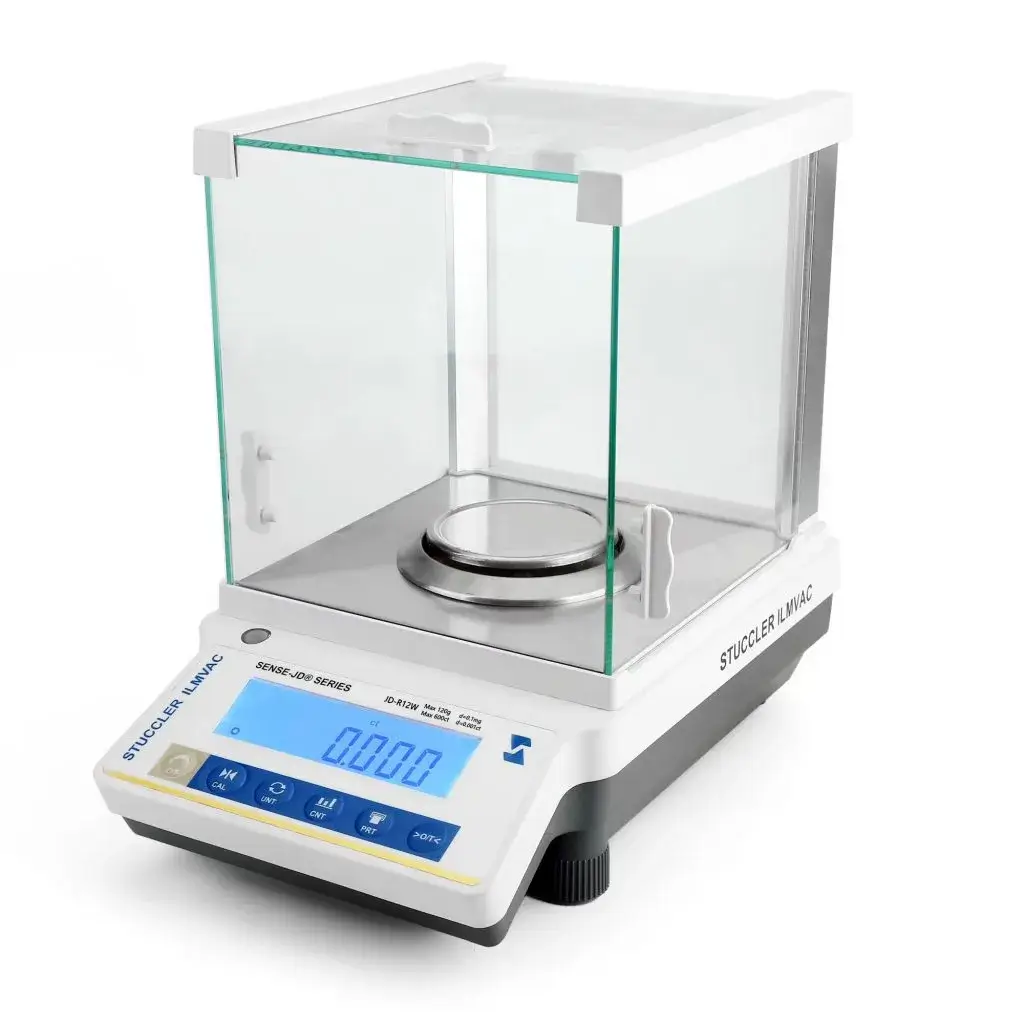
- Top Recommendation: The Analytical Balance (0.1mg) series. This includes the standard 0.1mg model for strict industrial applications.
- Featured Model: The SENSE-JD@ Jewelry Balance. It offers exceptional 0.1mg/0.001ct dual-readability.
- Focus: The strict 0.1mg readability range.
- Ideal Users: Pharmaceutical research, trace element analysis, and fine jewelry studios.
These balances capture the smallest mass changes perfectly. The SENSE-JD model displays grams and carats simultaneously. High-quality draft shields come standard here. They block all disruptive air currents completely.
Category B: Best High-Capacity Precision Balances
Sometimes, you must weigh heavy loads accurately.
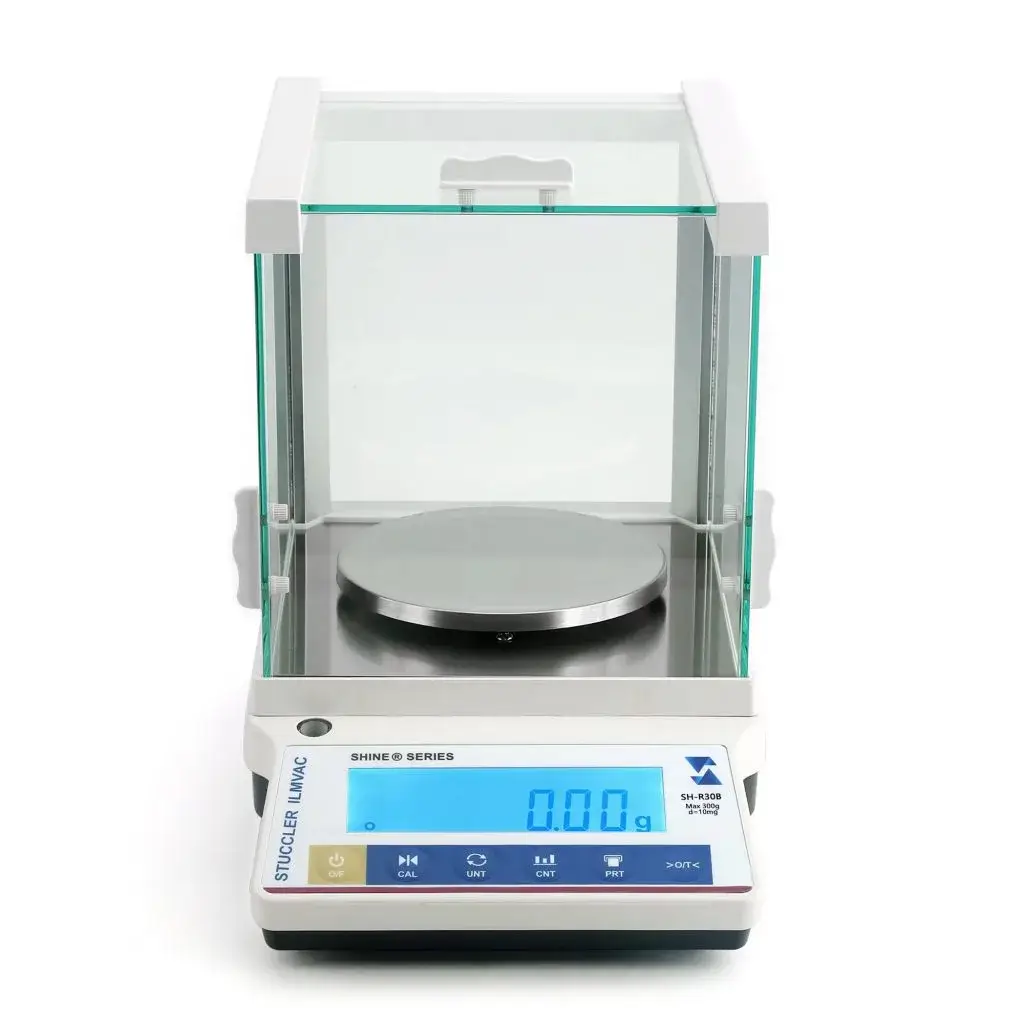
- Top Recommendation: The Precision Balance (0.1g~0.01g) series. The massive 2000g to 20000g capacity model is a true powerhouse.
- Featured Model: The SHINE@ Digital Weighing Balance. It offers 1mg to 10mg precision with capacities up to 1500g.
- Key Focus: Providing massive weighing ranges without losing precision.
- Target Audience: Industrial quality control and large professional studios.
They handle heavy-duty scenarios easily. Need to mix high-purity alloy? The 20kg capacity model is absolutely perfect. It handles large heavy vessels effortlessly. You never sacrifice accuracy for size.
Category C: Best Value Picks for 2026
Not every lab needs sub-milligram accuracy.
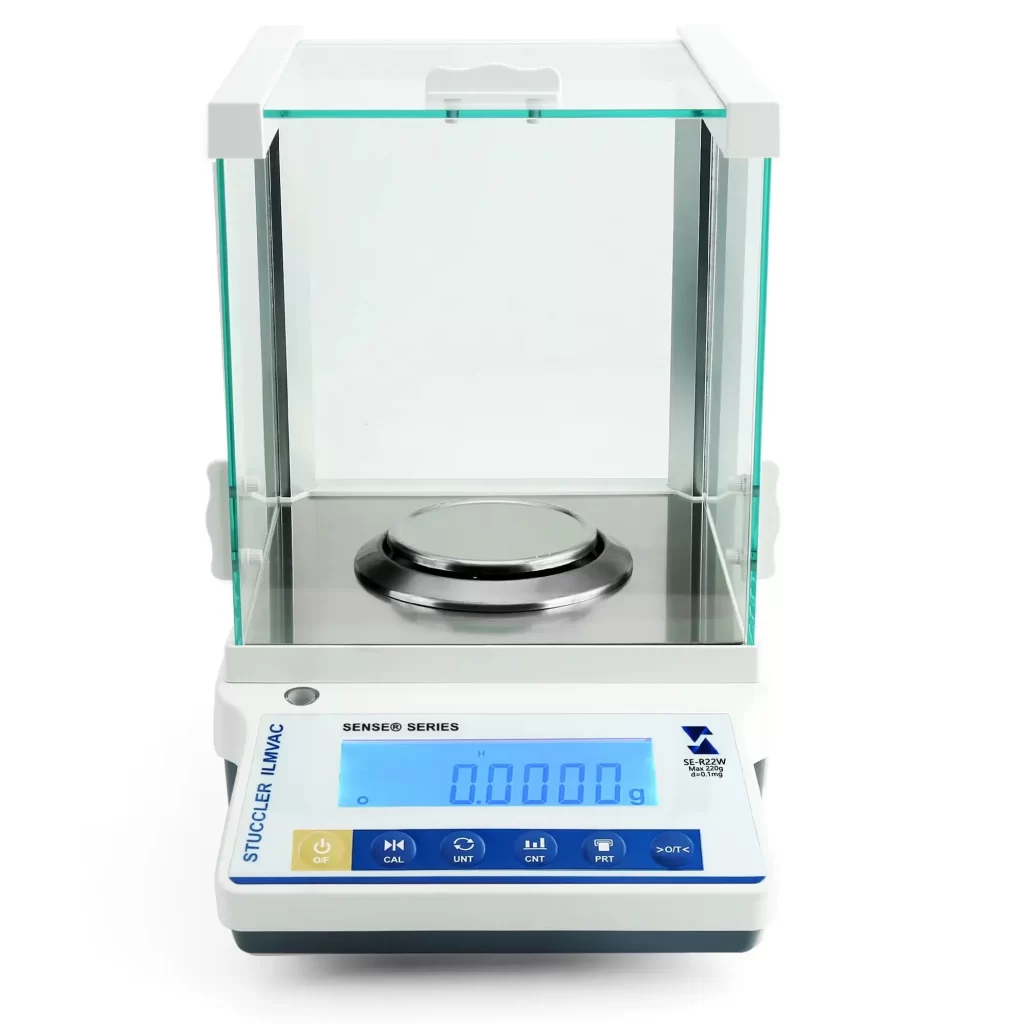
- Top Recommendation: The SENSE-IND@ Lab Balance provides highly reliable 120g to 2020g capacities.
- Alternative: For extremely rugged environments, choose the Top Loading Balance. It offers flexible configurations ranging from a 300g round pan up to a 20000g square pan.
- Key Focus: Durable, budget-friendly daily workhorses.
- Target Audience: University teaching laboratories and routine quality control departments.
They offer the best overall value. The open top-loading design is exceptionally rugged. It allows for fast, repetitive weighing. Daily lab use demands tough equipment. These scales deliver reliable results consistently.
II. Balance Technology Trends to Watch in 2026

- Data Compliance & Seamless Connectivity: Data integrity is a top priority today. Manual recording is prone to human error. Modern laboratory scales offer GLP/GMP-compliant printouts natively. You get one-touch data export features to LIMS or PCs, preventing manual data tampering.
- Touchscreens & Intuitive UI: Clunky buttons are a thing of the past. Bright, responsive touchscreens are taking over. Many feature built-in formulation memory functions, making complex recipes a breeze to repeat.
IV. How to Maximize Balance Precision and Lifespan
Buying the best scale is step one. You must maintain it properly.
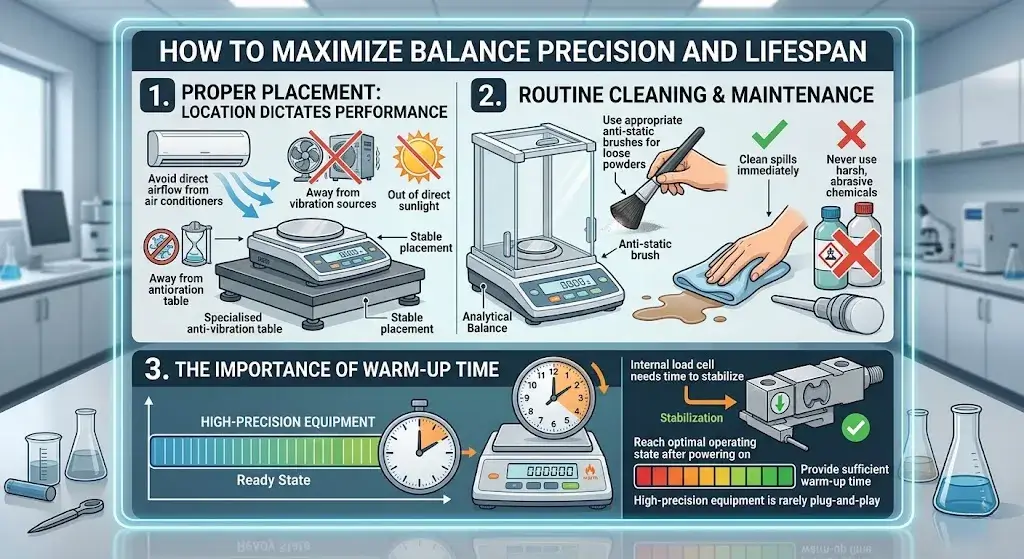
- Proper Placement: Location dictates performance. Position it away from vibration sources, avoid direct airflow from air conditioners, and keep it out of direct sunlight. Always utilize a professional anti-vibration table.
- Routine Cleaning & Maintenance: Spills happen in busy labs. Clean them up immediately to prevent chemical corrosion. Use appropriate anti-static brushes for loose powders. Never use harsh, abrasive cleaning chemicals.
- The Importance of Warm-up Time: High-precision equipment is rarely plug-and-play. The internal load cell needs time to stabilize. Provide sufficient warm-up time after powering on to reach its optimal operating state.
Conclusion
Let us summarize the core points. There is no single “perfect” balance. There is only the device that fits you. It must match your specific current requirements. Always evaluate your weighing capacity and precision needs first.
Need specific selection recommendations based on a particular capacity? Contact our technical team today. Receive a customized procurement plan for your lab.